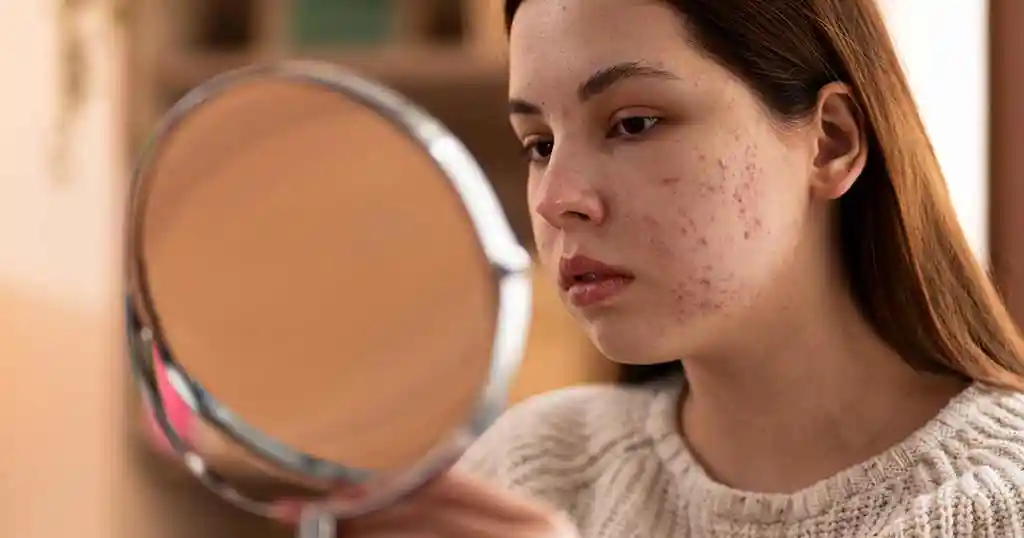
A common problem seen in dermatology clinics of today is Hormonal Acne Treatment for Women. Women often see their breakouts occurring in a pattern. These are not random. They’re frequently associated with hormonal changes in the body.
Hormonal acne can feel stubborn. It may not react to standard skincare. The important thing is to know the etiology, and accordingly treat it well. With the right approach, your skin can be clear.
What is Hormonal Acne in Woman?
When hormone levels fluctuate, it can lead to hormonal acne. These changes lead to the skin producing more oil. Too much oil clogs your pores and causes breakouts.
It is most common in adults. So, it is very much related to adult acne causes in women. Unlike the teenage variety, it’s deeper, painful, and tends to linger.
Hormonal Acne: The Most Common Causes in Women
There is a reason that hormonal acne does not appear. Some inner triggers impact the oil glands and how your skin acts.
Before we get into the causes, it is important to note that androgens (male hormones in women) are responsible. They encourage oil production, which results in acne.
Here are the typical reasons for this:
- Menstrual cycle fluctuations
- Polycystic ovary syndrome (PCOS)
- Stress and high cortisol levels
- Pregnancy and postpartum hormonal changes
- Menopause or perimenopause
- Starting or quitting of taking birth control pills
These factors disturb hormonal balance. That leads to repeating breakouts, frequently on certain areas of the face.
Where Does Hormonal Acne Appear?
Hormonal acne typically has a pattern. Unlike other forms of acne, it is not random.
Breakouts on the lower face are most common for women. This encompasses the chin, jawline, and neck. One of the most common type of acne is, Cystic Acne Jawline. These are painful, deep bumps under the skin.
You may not always develop whiteheads. They just remain inflamed and take longer to heal. On occasion, they may cause scars or markings.
Dermatologist-Recommended Treatments
Hormonal acne needs a targeted treatment plan. Many over-the-counter products aren’t sufficient on their own.
A dermatologist assesses the severity and recommends a combination of treatments. This could involve medications and clinical procedures.
These are the best choice options:
- Topical retinoids to exfoliate and facilitate skin turnover
- Oral medications to regulate hormones
- Short-term antibiotics to control inflammation
- Chemical peels to treat acne and scars
- Creams that decrease oil production available by prescription
A common one we talk about in treatment is Spironolactone vs Retinoids. Spironolactone is an internal agent that blocks hormones from having any influence on oil-producing glands. Broadly speaking, topically effective retinoids work by promoting skin turnover. They are used together for best results in many cases.
Dermatologist-Recommended Skincare for Hormonal Acne
Skincare also plays an important supporting role in handling acne. It helps keep results lasting, and prevents future breakouts.
Refrain from using aggressive scrubs and pre-products wash. These can irritate the skin and make acne worse.
Key elements include:
- Gentle, sulfate-free cleansers
- Lightweight, non-comedogenic moisturizers
- Broad-spectrum sunscreen (30 SPF or more)
- Products with salicylic acid or niacinamide
- Oil-free and non-pore-clogging makeup
Regular use of a few products is better than occasional use of many. The routine should be easy to follow and effective.
Role of Microbiome-Friendly Acne Care
Reducing oil is not the key to healthy skin. It’s also about staying balanced.
Good bacteria naturally found on human skin help to maintain skin health. When this balance is upset, acne may develop. That’s the reason why microbiome friendly acne cares are that important!
This approach focuses on:
- Using gentle, pH-balanced skincare
- Avoiding overuse of antibiotics
- Strengthening the skin barrier
- Using soothing and barrier-repair ingredients
In turn, balanced skin is stronger and less susceptible to breakouts.
When to Seek Out a Dermatologist?
Many women begin with home remedies. But hormonal acne is usually treated by a best dermatologist
You should see a dermatologist if:
- Acne is painful or cystic
- Breakouts occur regularly before periods
- Over-the-counter products are not working
- Acne gets scar or darks marks are left
Early treatment curtails potentially long-term damage. In addition, it helps keep skin healthy in general.
Final Thoughts
While hormonal acne is common in women, there are ways to treat it. The important part is to figure out the reason and undertake an organized treatment plan.
The best hormonal acne treatment for women can deliver long-term results. Even if you take good care of your skin at home, going with a professional help can still help.
FAQs
Q: What is the main Adult Female Acne Causes?
A: Hormonal disruption, polycystic ovary syndrome (PCOS), stress, and changes to the menstrual cycle or methods of birth control are among the most common reasons why adult females get acne.
Q: What is the best Hormonal Acne Treatment for Women?
A: Prescription medications, topical retinoids, and a guided skincare regimen by a dermatologist are all great hormonal acne treatment for women.
Q: Why does cystic acne appear on the jawline?
A: Cystic acne jawline is to do with hormonal changes. It tends to worsen before periods because of increased androgen activity.
Q: Which is better: Spironolactone vs. Retinoids?
A: Spironolactone vs. Retinoids, both are effective. Spironolactone, which works internally, retinoids, which work externally on the skin. Dermatologists often combine them.
Q: What is Microbiome-Friendly Acne Care?
A: Microbiome-friendly acne care emphasizes the importance of a healthy skin microbiome by using topicals that are gentle and barrier-supporting to minimize irritation and breakouts.
Medically Reviewed By
Dr. Navin Taneja, Best Skin Doctor & Dermatologist in Delhi
The National Skin Centre – South Delhi