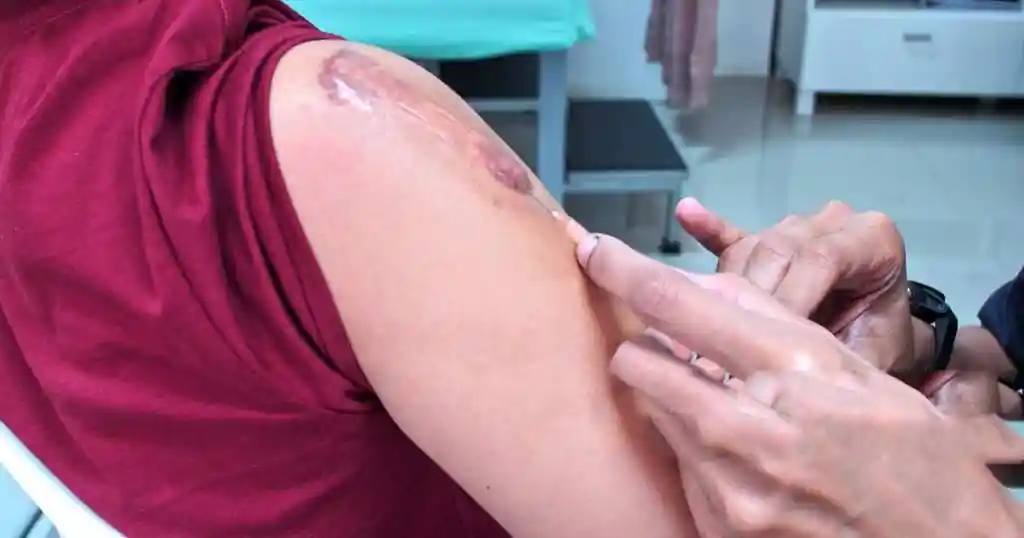
Some scars take longer to heal than is normal, and sometimes the scar that remains grows larger than it should. So, if you can know “how to prevent keloids,” it will help you prevent keloid formation using the right methods. Keloids can form at the site of surgical incisions, piercings, acne scars, burns, or even small scratches on the skin.
While not everyone develops keloids, some people are far more vulnerable than others. You can reduce your risk of getting a raised, thick scar by being aware of your risk factors and taking quick action.
Table of Contents
ToggleWhat is a Keloid?
A scar that extends beyond the boundaries of the original wound is called a keloid. Keloids differ from regular scars; they do not just grow during the healing process of the skin. These usually look hard, waxy, or scab-like, and slightly elevated from the skin surrounding it.
New tissue growth can occur anywhere on the body; however, keloids are often found in places such as the ears, chest, shoulders, or upper back and jawline.
Why Do Some People Tend to Get Keloids?
Genetic predisposition is a significant contributor to keloid formation. You may be at higher risk if a family member closest to you developed keloids.
Individuals with darker skin types are more likely to vary with keloids. Moreover, those who have previously developed a keloid are predisposed to recurrent keloid formation after trauma-associated skin lesions in the future.
You can also use your risk factors to prevent complications, like making surgical or cosmetic decisions.
How to Avoid Keloid After Surgery?
If you are wondering how to prevent keloid after surgery, this is very common question asked by many patients. Since the healing process starts as soon as a procedure is performed, early care is very important.
Clean the surgical site and adhere to your healthcare provider’s postoperative to-do list. Stretching can increase scar formation, so do not put any extra tension on the healing skin.
Dermatologists frequently prescribe silicone gel sheets or scar gels that are based on silicone. In addition to retaining moisture, they can lessen aberrant scarring during healing.
If you have a history of keloids, tell your surgeon before surgery so that preventive measures can be taken. Preventive treatments like corticosteroid injection might be another option in some cases.
Preventing Keloid Formation After Piercings in a Safe and Timely Way
Ear piercings are the most frequent cause of keloids. It all starts with learning how to prevent keloid after piercing
properly from a certified professional who practices good hygiene when doing piercings so you do not have keloid after piercing.
It’s important to stay clean and do not touch it as much. Increased friction and repeated trauma can increase a risk of abnormal scarring.
If you have a history of keloid formation, it may be best to skip cosmetic piercings altogether. Which makes this extra-important for ear cartilage piercings which have a relatively high complication rate.
Do Keloids Come from Acne, Cuts and Burns?
Yes. These scars can develop following acne lesions, burns, scratches, insect bites, and other injuries.
We can promote wound healing by treating wounds as they occurred and letting them heal properly. Do not squeeze acne, scratch fresh skin scars, and do not rip off a scab. They run the danger of developing scars since these behaviors can reduce inflammation.
This is why proper wound care is the most effective of keloid prevention tips in case of everyday skin injuries.
Signs of a Keloid Starting to Form
Understanding early signs can expedite your pursuit of treatment.
Some common signs include:
- Redness that persists after the wound has healed
- Thickening skin around the injury
- Hypertrophic scar tissue that continues to grow
- Itching, tenderness, or pain at the surgical site
If you exhibit these symptoms, consult a dermatologist. Treating it early may prevent it from growing bigger.
Ways to Prevent a Keloid from Developing
Many people look for techniques on how to stop a keloid from forming once a wound begins to heal. Some might work, prevention is not always guaranteed.
Shielding healing skin from excessive sun exposure is also important, because UV rays can darken scars and make them stand out. After the wound closes, use SPF.
Continued excellent care of wounds and not creating friction on healing skin. However, silicone therapy, pressure therapy, or even preventive steroid treatment may be recommended by dermatologists to those that are at particularly high risk.
Timely preventive measures significantly increase the chances of avoiding excessive scar growth.
Conclusion
Understanding your risk factors and taking care of your wounds are the first steps in how to prevent keloid formation. You can be sure to lower the chances of a keloid forming by taking action quickly, whether you are recovering from surgery or simply have an injury to your skin on a pierce.
Look out for signs of not reducing, symptoms like thickening or itching in the area or continuous growth in scar. If you are a person who is susceptible to keloid or anything strange while healing consult dermatologist immediately. Early treatment allows for the manipulation and maintenance of scars before they become extremely difficult to treat.
FAQs
Q: Can keloids be prevented completely?
A: No, not always. Due to a tendency toward elevated scarring, keloids cannot be avoided in every individual. Fortunately, by ensuring proper wound care, silicone therapy, and/or early treatment can usually reduce the risk.
Q: What is the best treatment to prevent a keloid after surgery?
A: There are very few silicone gel sheets and silicone scar gels that surgeons continuously recommend. Those with a history of keloids may also receive corticosteroids by the doctor as a preventive measure.
Q: Are people with darker skin more likely to develop keloids?
A: Yes. Keloid scarring is more common in darker skinned individuals. Keloids are also more likely to form following a skin injury if the patient has a family history of the condition.
Q: How soon can a keloid start forming after an injury?
A: It can start forming weeks to months after the skin is healed. At first, it might be red and thickening along with itchiness and gradually growing larger than the original wound.
Q: Should I avoid piercings if I have had a keloid before?
A: Having keloids is very common especially if you have grown one from a previous ear piercing so always consult with a dermatologist before getting any new piercings. If you have other piercings, the more likely new keloids will develop.