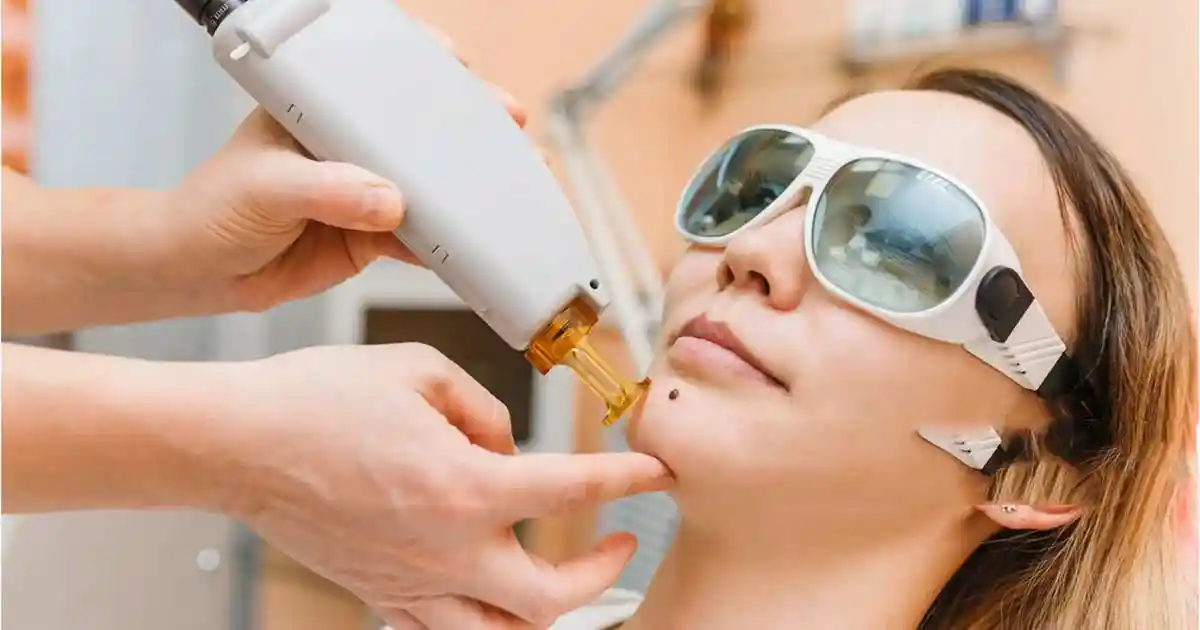
Moles are skin lesions that can appear anywhere on the skin. There will be a number that are innocent, some may become influential in time. People who are mainly looking for a mole removal are commonly citing friction with clothes on skin, aesthetic reasons, and pain. It is important to know how to remove a mole safely, because home removal can cause infection, scarring, and delay the diagnosis of skin cancer.
The safest bet is to have a dermatologist take a look at your mole before undergoing any treatment. Whether the mole is benign or needs to be examined further will be determined by the dermatologist.
Why Does an Evaluation from a Dermatologist Come First?
Before initiating any treatment, the mole needs to be examined by the best dermatologist in Delhi. If the mole looks asymmetrical, then they will check it out through a dermatoscope or suggest that you go for a biopsy. So, it allows the doctor to wash away or scrub any signs of cancerous moles before actually excising or cutting it out. This decreases the risk of complications and increases cosmetic outcomes.
11 Dermatologist-Approved Methods for Mole Removal That Are Safe for Your Skin
Dermatologist mole removal
Dermatologist mole removal is the safest option. A qualified professional will select the best method depending on how big, how deep, and where the mole is located. This reduces the risk of complications and allows for improved aesthetic outcomes.
Surgical mole removal
This is especially true of larger or indeterminate moles, in which case surgical mole removal will be prescribed. It can be done under local anesthesia, and the harvested tissue can be analyzed if necessary.
Mole shaving
Mole shaving involves removing raised moles so they are flush with the skin. This approach is rapid and tends to require minimal downtime. Doesn’t work, though, for deeper moles.
Surgical excision
Surgical excision is an option for deeper or irregular-looking moles, as this procedure removes the entire mole along with a small section of healthy skin. You will usually need stitches, and the sample can be sent to a lab for testing.
Laser mole removal
For small, flat, and non-cancerous moles, laser mole removal is effective. This causes the pigment to burn away and spares the skin surrounding it. It is not generally used for suspicious moles because no tissue remains to test.
Cryotherapy for moles (freezing)
Cryotherapy (freezing) for moles is occasionally used when the mole is not changing, and it may be used for some benign skin lesions. Not every mole is predestined for it, and, as a rule, it’s up to the dermatologist to decide whether it’s reasonable.
Biopsy Before Treatment
If cancer is suspected, a biopsy will be performed before or at the time of removal. This leads to a definitive diagnosis and guides subsequent management.
Follow Proper Wound Care
Care after mole removal treatment: keep the area clean, follow your dermatologist’s recommendations, and do not scratch or pick at the scabbed tissue.
Protect the Area from Sunlight
Freshly treated skin is sensitive. When outside, apply sunscreen, as well as a cover-up to prevent dark discoloration and also expedite healing.
Attend Follow-Up Visits
Your provider may examine for healing, discuss biopsy results (if a biopsy was performed), remove stitches, or take other actions as needed at follow-up.
Never Try DIY Mole Removal
Do not cut, burn, or use home remedies for mole removal. These approaches can trigger infections, extreme blood loss, irreversible scars, and also use techniques to cover early skin cancer cells.
Know the Warning Signs
The ABCDE mole guide listed below can help you identify changes that need to be evaluated by a healthcare professional:
A − Asymmetry
B − Irregular Border
C − Multiple or uneven Colors
D − Diameter larger than 6 mm
E − Evolving or developing over time
These are warning signs of a mole cancer and should never be ignored.
What to Expect During Recovery?
Depending on the treatment, healing from mole removal typically takes 1 to 3 weeks. Slight redness, as well as tenderness are very common. To minimize scarring and promote faster healing, it is important to clean the wound regularly and follow all a doctor’s advice.
Final Thoughts
To remove a mole safely, you first have the best skin doctor in Delhi examine it. When the suspicious moles need to be tested, professional treatments can be obtained to achieve safer results. Regardless of requiring surgical mole removal, shave moles, surgical excision, laser mole removal, or cryotherapy for moles (freezing), you will benefit from seeing a specialist to protect both your skin and your health. But even keeping your skin healthy means knowing the basics, like getting screened for skin cancer regularly and following the ABCDE mole guide.
Frequently Asked Questions (FAQs)
Q. Is it safe to remove a mole at home?
A: No, at-home mole removal can cause infection and scarring and hide early signs of skin cancer. A mole should always be assessed by a dermatologist prior to removal.
Q: Which type of mole-removing method leaves the least scarring?
A: How much scarring you have from each mole will vary depending on how big and deep a mole is, as well as the location of the mole. In ideal or near-perfect scenarios, mole cakes or laser device mole removal can be performed with minimal to no scarring, yet your skin specialist will consider and suggest the extent of removal you can achieve.
Q: Is it normal for mole removal to take time to heal?
A: Mole removal healing time is typically from one to three weeks. Some wounds, particularly larger ones or those that need stitches, may take longer to heal up completely.
Q: When should I be worried about a mole?
A: If you get larger moles which are different in size, shape, or color − or ones that start to itch, bleed, or hurt when evaluated. These may indicate a cancerous mole and should be examined by the doctor as soon as possible.
Q: Can a removed mole grow back?
A: If some pigment cells had been left behind during treatment, then a mole may come back in your case. If an excised mole returns or changes, see your dermatologist for a follow-up exam.