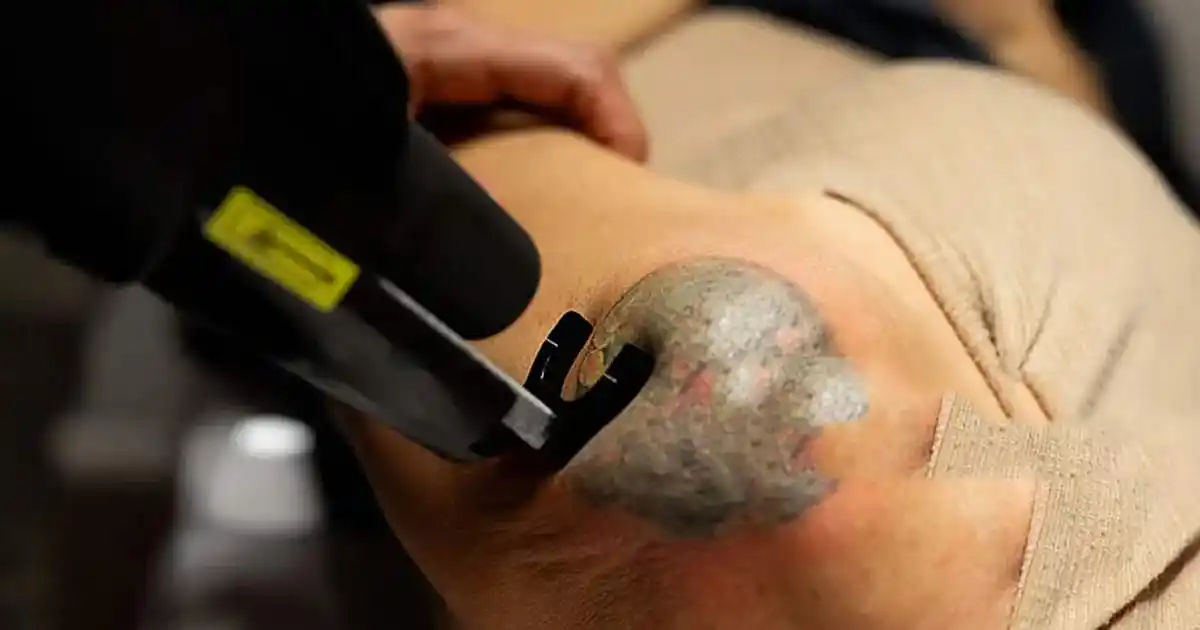
A tattoo may hold special memories, but personal preferences can change over time. One of the best options for removing unwanted tattoos, or at least reducing them, is the laser tattoo removal procedure. In recent times, with advanced laser systems and well-trained staff, the removal can produce clearer skin with minimal risk of scarring.
What is Laser Tattoo Removal?
Laser Tattoo Removal is a medical method that uses an extremely bright laser light to shatter tattoo ink into nano particles. After fragmentation, the body’s immune system will eliminate it over a few weeks. Generally, extracts from different colors respond differently; therefore, treatment plans are not standardized and vary from patient to patient.
It is extremely important for your safety and end results to ensure you choose the right specialist. With the best laser removal doctor in Delhi, your skin is thoroughly analyzed, and the right laser technology is chosen based on your tattoo and skin type.
How Does Laser Tattoo Treatment Work?
“How does laser tattoo removal work?” is a question that a lot of our patients ask. Doing this procedure uses a laser that blasts very specific, fast-burning pulses of light energy deep into the ink particles of an undesired tattoo. The longer laser pulses penetrate deeply and widely, offering this pulse without burning or impeding the surrounding healthy tissues. This is also why you are seeing your ink getting lighter, because after every treatment your body clears away the broken pigment particles.
Is Laser Tattoo Removal Permanent?
“Is laser tattoo removal permanent?” is one often-asked question. Almost always, tattoo ink that injures the body is so-called dye-free and can be expected to never fade. The level of blemish extraction depends on the color of your tattoo ink, how old it is, how deeply embedded into your skin it is, and which sort of ink you utilized. It is like leaving a tiny shadow as a tattoo.
A consultation with the best dermatologist in South Delhi may help you design a customized course of treatment and learn how your skin type and the details of your tattoo might look.
How Many Sessions Are Required?
The number of sessions required for laser removal varies from one patient to another. Smaller black tattoos tend to fade better than larger, very colorful, or professionally done tattoos. The average person requires six to ten sessions, during which time the body must remove the broken ink molecules, and the skin takes weeks to heal.
Before and After Your Treatment
Of course, having the correct laser tattoo removal pre- and post-care also provides results! Your dermatologist may recommend:
- Avoid direct sunlight pre- and post-treatment.
- Wash and dry the area that has been medically examined.
- Leave blisters/scabs alone.
- Get appointments for healing if suggested to do so.
- Once the skin heals, apply sunscreen.
All of these steps promote healthy healing and reduce pigmented changes during the process.
A More Comfortable Treatment Experience
Modern clinics use the latest painless laser tattoo removal technology, combined with advanced cooling systems, to increase patient comfort during the procedure. Many patients find it is more tolerable than they expected. Using cooling devices after each session makes the stay calm.
For the best doctor for laser tattoo removal in Delhi, visit a clinic where dermatologists remove tattoos with high-tech laser equipment and under expert supervision by experienced practitioners of many specialties. The keys for tattoo removal without side effects are a correct indication and personalizing each treatment protocol.
Final Thoughts
Laser tattoo removal can safely and effectively help remove unwanted tattoos. However, the type of tattoo and skin condition matter for successful treatment. Besides this, you also need to follow the treatment timetable recommended after the tattoo removal, as it helps your skin heal properly and stay healthy. The best skin specialist in Delhi can lead you through the best-fit skin treatment plan by ensuring health, safety, and comfort, and requires a time-bound approach to get end-date results while you support healthy skin with a sense of security.
FAQs
Q: Are all skin types compatible with laser tattoo removal?
A: Yes. If the tattoo removal is performed by a dermatologist using appropriate laser technology, it is usually safe for all skin types. To minimize the potential for side effects, a skin assessment is performed pre-treatment.
Q: How many laser tattoo removal sessions will I need?
A: The average tattoo needs 6 to 10 sessions, depending on how large it is and how many colors are present, as well as the depth of colors involved in a tattoo (the deeper an ink particle is buried in your lymphatic system, the healing response by your unique body chemistry/needles used), age, etc.
Q: Does laser tattoo removal hurt?
A: For most people, it’s just like having a rubber band snap onto your skin. Some clinics even have special cooling techniques to increase your comfort during the process.
Q: Is laser treatment for the removal of every tattoo color possible?
A: Pumpkin-orange, yellowish-green, and fluorescent inks tend not to respond as well, while black and dark blue inks are typically the ink colors that respond best to laser treatment. Green, yellow, and turquoise, or other light colors, may require more sessions or a different laser wavelength to be effective.
Q: What not to do after laser tattoo removal?
A: After treatment, avoid swimming, sunbathing, taking a hot bath, engaging in strenuous exercise, and picking at blisters or scabs. When following your dermatologist’s aftercare instructions, home care works to support skin recovery and make your treatment work even better.
Author
Dr.Navin Taneja (Dermatologist)
34Years Experience
Thenationalskincentre
H-30, south Extension Part-I,
New Delhi-110049