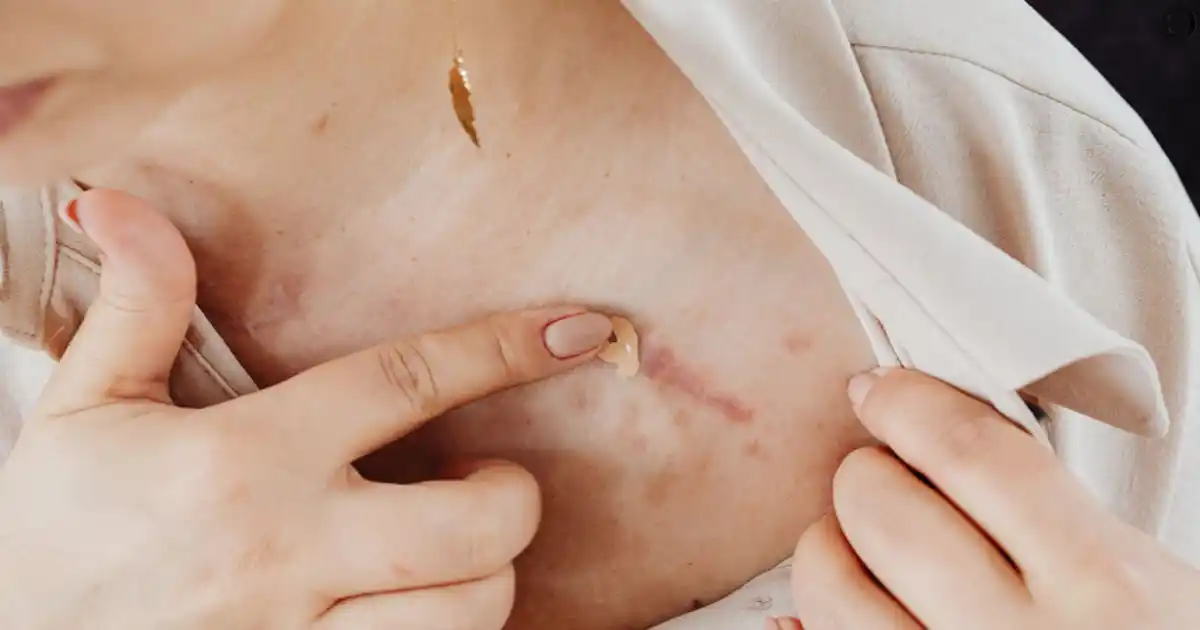
Most scars get better with time. However, when it comes to chest and shoulder keloids, they don’t seem to stop when the wound heals. Beyond the original injury location, they may continue to expand. As a result, they can have an instant negative impact on one’s appearance and self-esteem and be annoying and uncomfortable. Understanding why they happen and what you can do to treat them can make dealing with them a bit easier.
Why Do Shoulders and the Chest Often Develop Keloids?
Whenever you lift your arms, your chest and shoulders are always busy moving. The repeated movement places constant tension on healing skin and creates pull on these areas, leading to abnormal scar formation. This is one of the explanations for why keloids develop on the chest following burns, piercings, acne, surgery, and even minor skin injuries.
According to the best dermatologist in Delhi, treatment is usually more effective when done early because if a keloid is left to grow, it may become larger and more difficult to manage.
Another thing is the repair response of body. Normally, after the skin heals, collagen production decreases. But in keloids, the body continues to produce excessive collagen and the scar grows larger than the wound.
Why Keloids are So Hard to Get Rid of?
Keloids do not disappear on their own like other types of scars. These can last for a few months or years, and are often thickened, elevated, itchy, or painful.
The most difficult place to treat is the chest, since chest skin tension keloids are constantly exposed to mechanical stress. Movement from day-to-day activity puts a strain on the tissue as it knits back together, stimulating collagen production and making these scars more challenging to treat.
Keloid Treatment for Chest and Shoulder
There is no single treatment that is effective for every patient. Dermatologists usually combine keloid scar removal techniques to improve how the keloid looks and increase long-term success.
Common treatment options include:
- Steroid injections to reduce inflammation and soften thick scar tissue over time.
- The silicone gel sheets hydrate the scar causing it to flatten out in a phased process.
- Cryotherapy technique uses freezing to the local areas of the keloid for shrinkage.
The best keloid removal doctor in Delhi may recommend these therapies together with laser treatments because combined treatment is more preferable compared to a single treatment.
How Does Laser Therapy Help?
For most people, keloid laser treatment reduces redness and improves skin texture, reducing the appearance of enlarged scars. Laser treatment will not remove a keloid but can substantially improve its appearance when used with other proven treatments.
The best doctor for laser keloid removal in Delhi is aware of how the laser interacts with different skin types. So, they can help you understand whether laser therapy should be part of your complete scar care plan.
Can Keloids Come Back After Treatment?
Keloids can recur after treatment. How to prevent keloid recurrence is thus a major component of long-term management of these lesions. The risk can be minimized by protecting healing wounds, avoiding additional trauma to the skin, and following your dermatologist’s aftercare advice.
It is worth noting that early therapy for treating such scars may be useful to keloid scar prevention in patients with a personal or previous postoperative scarring history.
How Do You Know When to See a Dermatologist?
When scarring enlarges, causes pain or itch, or expands in surface area from the original injury location, it is time to lean on a specialist. The sooner you start treatment, the easier it is to flatten keloid scars before they get too big and impractical to treat.
The best skin specialist in Delhi inspects your scar and recommends the most appropriate therapy while continuously monitoring you during the process to relieve signs or symptoms and improve long-term effects.
FAQs
Q: What causes chest and shoulder keloids?
A: Too much production of collagen during the wound healing period makes the scar grow beyond the initial injury, which leads to scars like keloid marks on the chest and shoulder.
Q: Do chest and shoulder keloids go away completely on their own?
A: No, keloids rarely resolve spontaneously. However, there are many modalities available to reduce size, appearance, and symptoms of keloid disease.
Q: What is the most successful treatment for keloid?
A: The best treatment is based on the parameters of its size, its character, its location, and its severity. Most patients obtain optimal benefit with combination treatment.
Q: Can keloids return after treatment?
A: Yes. Keloids can always come back, but correct aftercare reduces the chances of their reappearance, and early therapy would help stop this from taking place.
Q: When to see a dermatologist for keloids?
A: Visit a dermatologist if a scar grows larger, itches, hurts, or expands past where the wound was.