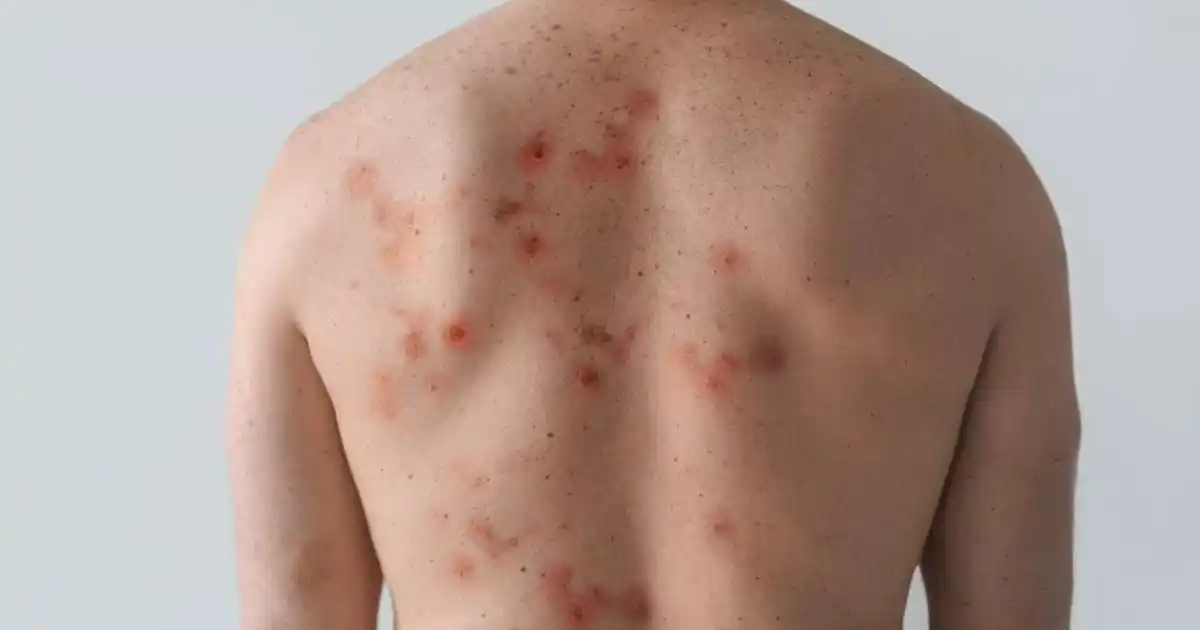
Warts may get treated, but they may return weeks or months later. So, the main question is why do warts keep coming back? It’s a common question, especially when you think the problem has been solved. The solution is not always clear-cut. Warts are a result of a virus, and there exist various risk factors that can increase the likelihood of recurrence. Knowing these reasons will help you reduce the risk and choose the best remedy.
What Causes Warts to Return?
The human papillomavirus (HPV) is the reason because of which warts happen. It enters the skin via small cuts or abrasions. Warts often look like they are gone when small traces of the virus still exist in nearby skin. This is one of the reasons recurrence is common.
The dermatologist will first identify the type of wart and then offer the best treatment based on its size, location, and when it appeared.
In the Skin, the Virus May Stay Dormant
A human papillomavirus can stay dormant after treatment; this is one of the main reasons for HPV recurrence. This is frequently linked to the dormant HPV virus, which can conceal itself inside nearby skin cells without showing any symptoms.
Then at some point, when conditions are ripe, the virus can reactivate and create a new wart. But this does not always mean the previous treatment did not work. It just means the body has not cleared out all of the virus.
Incomplete Wart Removal
A lot of recurring warts cropped up because the wart was not completely removed. Others remove the outer wart, but don’t destroy all infected cells.
Understanding the viral wart roots myth is also key. Many believe that warts need to have their roots removed. Warts actually have no roots like plants. They develop in the upper layer of your skin. The important thing is to excise all infected tissue and let the immune system clear any residual virus.
Instead of repeating home remedies, seek the best dermatologist in Delhi and ask if your wart is coming up from the same place every time.
A Possible Issue with Your Immune System
HPV infection is mainly controlled by the immune system. Repeated outbreaks are common in those with a weakened immune system and warts.
Here are some of the factors that may affect your immune response:
- Ongoing stress
- Poor sleep
- Chronic illness
- Certain medications that suppress immunity
The virus can be present, but with a healthy immune system, you may not get any new warts.
The Warts Can Spread Virus to the Skin Nearby
One surprising reason why warts spread following treatment. The most common cause is auto-inoculation of warts. This occurs when the virus spreads from one part of your body to another − by way of scratching, shaving, or touching an active wart.
This risk can be reduced with simple habits:
- Avoid picking or scratching warts.
- Keep warts clean and cover when advised.
- Never share towels, razors, or nail clippers.
- Unwind after contacting an impacted area.
These actions offer a fundamental protection against the pathogen spreading to healthy skin.
The Type of Wart May Not Match the Treatment Approaches
Different warts usually require different treatment. Common warts, plantar warts, flat warts, and/or periungual warts will require special treatments.
In stubborn or recurrent cases, better modalities including laser therapy might be necessitated. If your wart is not responding to treatment and appears again, it may be time to consult the best laser warts removal doctor in Delhi, who can suggest an alternative approach.
The best skin doctor for wart removal in Delhi attracts patients looking for cosmetic skin procedures. Still, numerous dermatology clinics also use modern laser technology to treat selected wart events if medically suitable.
When to Seek out a Dermatologist
You should consult a doctor if:
- A wart returns after treatment.
- Multiple new warts appear quickly.
- It becomes painful or bleeds.
- The diagnosis is uncertain.
The home treatments have been unsuccessful for several weeks.
The best skin doctor in Delhi can tell you if the growth is an actual wart and recommend the appropriate treatment based on your skin type and medical history.
Final Thoughts
If you have wondered why warts keep coming back, it has more than one answer. These include a hidden virus, an unfinished course of treatment to kill all the warts, an immune response that is less effective than normal, or accidentally transmitting the virus from one wart to another. Even though recurrence can be frustrating, the right diagnosis and treatment every time, as well as good skin care, can greatly limit outbreaks.
Don’t keep treating plantar warts at home if they keep coming back − get them checked out with a doctor. Only a treatment plan tailored specifically to you will give you the greatest chance of eliminating the infection & reducing your risk of recurrence.
FAQs
Q: Why do warts keep coming back after treatment?
A: The HPV virus is often never fully cleared, and so, warts are prone to return as a result.
Q: Is it possible for a wart to return to its original location?
A: Yes. If some infected skin cells stay behind after treatment, a wart can grow back in the same spot.
Q: Why do warts migrate to Other Areas of the body?
A: These warts are contagious and can spread through direct contact, scratches, shavings, or touching an active wart.
Q: Does a wart removal get rid of the virus?
A: Not always. They can be torture to get rid of, and just because the visible wart is gone doesn’t mean that all of the HPV infected cells are gone as well.
Q: When should I see a dermatologist for recurring warts?
A: Consult a dermatologist if your warts seem to be coming back, are spreading rapidly, hurts, or do not respond to home treatments.
Author
Dr.Navin Taneja (Dermatologist)
34Years Experience
Thenationalskincentre
H-30, south Extension Part-I,
New Delhi-110049