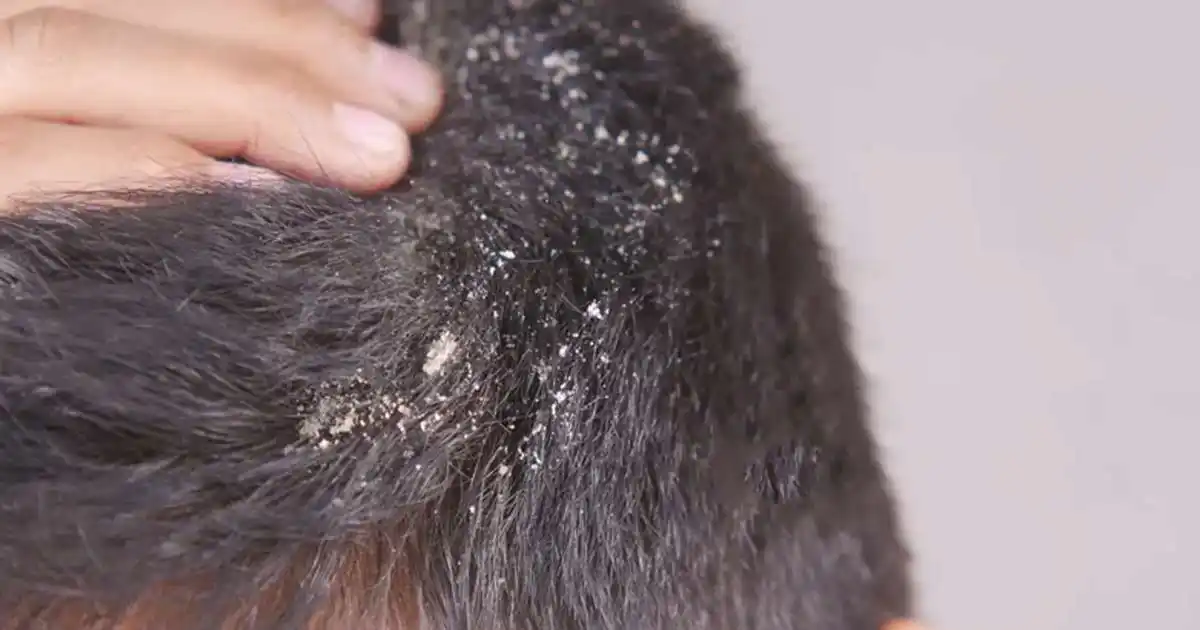
Dandruff is more than just a cosmetic inconvenience. It is a constant itching; skin flakes fall off and cause embarrassment in daily life. Using the right ingredients for your shampoo is crucial as a permanent dandruff treatment; it doesn’t just hide the symptoms. By diagnosing properly and creating the right treatment plan, it can ensure your scalp stays healthy, and the condition does not return.
What Causes Dandruff?
Dandruff is the situation in which the scalp sheds skin cells at a rate higher than normal. Among these, the most common is the growth of Malassezia yeasts. The scalp is populated by this yeast normally, but in some individuals, it proliferates excessively and induces an inflammatory response that results in irritation and scale.
There could be other factors, such as:
- Hormonal changes
- Stress
- Weather changes
- Using harsh hair products
- Insufficient scalp hygiene
But identifying the actual cause is key to permanent relief.
Is It Dry Scalp or Dandruff?
Well, a common issue that so many people face is the difference between dry scalp vs dandruff. Although they require distinct treatments, both illnesses result in flakes.
Too little moisture in your skin is what usually leads to small, dry flakes from a dry scalp. Dandruff is characterized by bigger flakes, itching or redness, and sometimes an an oily scalp. If you are confused about the condition, you can contact the best skin specialist in Delhi for a proper diagnosis, without wasting effort or money on treatments that may not be effective.
How Do Dandruff and an Oily Scalp Work Hand-in-Hand to Make the Condition Worse?
When you have oily hair, people with dandruff often experience much more frequent recurrences in the context of excess oil production. This is because excess oil makes a good breeding ground for yeast, which leads to more scaling and irritation.
You want to keep the scalp clean, but over-washing with an aggressive shampoo can strip oils and aggravate inflammation. A dermatologist will recommend a shampoo routine based on your scalp type.
Treatments That Help Control Dandruff
The correct approach for permanent dandruff treatment often includes a combination of medicated topical products and scalp care methods. Treatment can involve the following, and will depend on how controlled your symptoms are.
Antifungal shampoos
Anti-inflammatory lotions
Scalp exfoliating products
Prescription medications for persistent dandruff
You may find some short-term relief from OTC products, but seeing the best doctor for dandruff treatment in Delhi for an individualized solution customized to your scalp status will make a difference.
How Do You Determine Whether It Is Dandruff or Actual Seborrheic Dermatitis?
Dandruff that refuses to disappear may actually be seborrheic dermatitis instead of ordinary scalp flaking. In these circumstances, treatment of seborrheic dermatitis is often essential to dampen inflammation and soothe symptoms.
Common warning signs include:
- Thick yellow or white scales
- Persistent itching
- Red patches on the scalp
- Flaking skin around the eyebrows, across the ears, or on the nose
Do not ignore these symptoms; the disease usually deteriorates. On the other hand, the best dermatologist in Delhi can tell whether these symptoms are due to seborrheic dermatitis or another scalp disorder.
Everyday Practices That Help Prevent Dandruff
Proper daily habits coupled with therapy work best. Steps to follow for a healthy scalp:
- Rinse your hair using the shampoo suggested by your dermatologist.
- Avoid scratching your scalp.
- Shampoo must always be rinsed away at each wash.
- Eat a wholesome biological diet with vitamins, minerals, as well as protein.
- Be active and stress-free, and sleep well.
This continuity is one of the most crucial aspects in preventing dandruff from returning.
How Soon Should You Consult Your Dermatologist?
Use medicated shampoos for a certain duration; if your dandruff persists for more than a few weeks, then professional care will be prudent. Dealing with constant itching, inflammation, hair fall, or a scaly scalp indicates that there might be some skin condition, and it would need medical attention.
The best dermatologist for dandruff treatment in Delhi will give you an insight into what caused your scalp trouble and provide the right treatment. Not only can early intervention help to alleviate symptoms, but it can also prevent further flare-ups, with long-term scalp-health benefits too.
Conclusion
Temporary solutions rarely eliminate dandruff! Long-term improvement comes from knowing why your hair started thinning and following an appropriate regimen while maintaining good scalp care into the future. If your signs are related to yeast overgrowth, an oily scalp, or any other dry skin situation, early diagnosis matters a lot. A permanent dandruff treatment can promote a healthy scalp, lessen flaking, and get rid of itching.
FAQs
Q: Is there any cure for dandruff in a permanent manner?
A: With effective diagnosis, course of treatment, and pristine scalp care, dandruff can be effectively managed long-term. The key is to fix what the flaking represents − not just the visible flakes.
Q: What is the main reason behind chronic dandruff?
A: It can occur after an overgrowth of yeast that is normally found on your scalp, too much oil production from scalp follicles, stress, and preexisting scalp conditions (like seborrheic dermatitis) may cause chronic dandruff.
Q: How long do I wash my hair if I have dandruff?
A: Most dandruff patients will do well with an anti-dandruff shampoo (though it may take some trial and error to find just the right product for your scalp) used 2–3 times per week. Your scalp type and the severity of your symptoms will dictate the appropriate regimen for you.
Q: Does dandruff cause hair loss?
Q: Dandruff itself doesn’t cause hair loss. But if left untreated, the scratching and inflammation that accompany these conditions can ultimately damage hair follicles, resulting in further hair loss.
Q: When to go to dermatology for dandruff?
A: If dryness lasts more than a couple of weeks, is intolerable, arises with redness or discomfort, or does not subside with therapeutic shampoo, please go to a dermatologist as soon as possible.
Author
Dr.Navin Taneja (Dermatologist)
34Years Experience
Thenationalskincentre
H-30, south Extension Part-I,
New Delhi-110049