How to Heal the Keloid
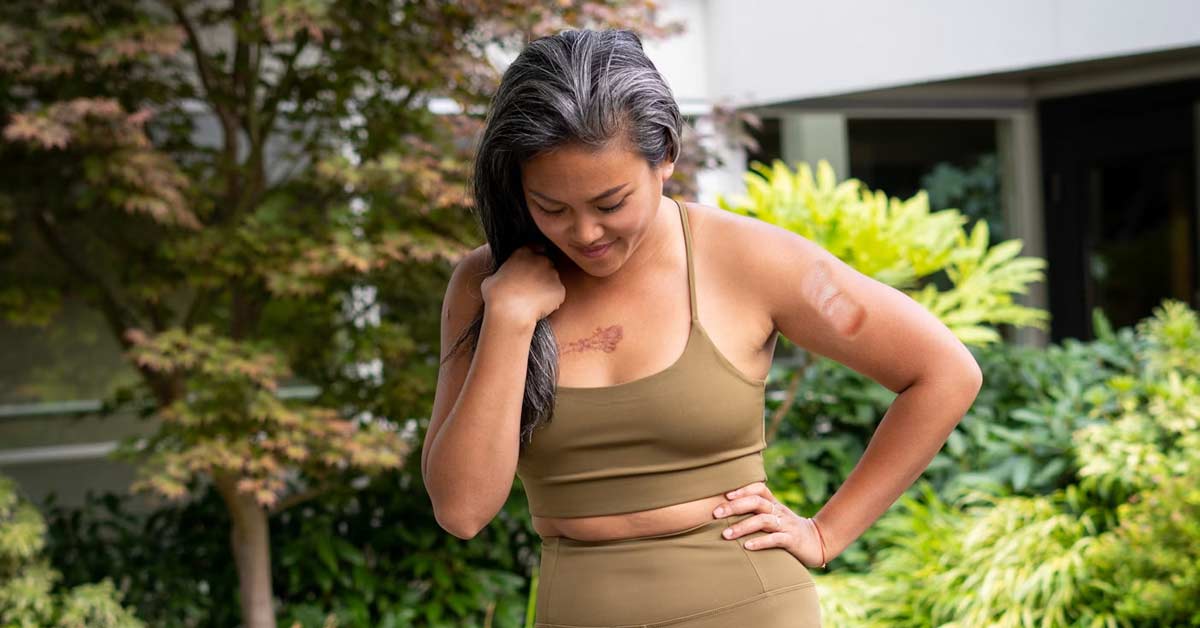
Keloids are mainly skin scar formations that are hard, raised, smooth, and often shiny skin depressions. It develops or emerges after the skin has healed from an injury such as a cut, stabbing, bruise, or any other form of blemish. The keloid scars are made of darker skin tissue than normal skin. Some remedies are injections and creams, which are used in the process of treating the keloid in some medical procedures. This post will explain how to heal the keloid.
Best Treatments to Heal Keloid
Several approaches can suit you best to heal the keloid. However, you must know that after successful flattening or removal, keloids can grow back. Hence, you must maintain some precautions. Now let’s look at the best treatments to heal keloid.
Wound care
The first measure to reduce new keloid formation is to avoid the formation of new keloids in the first place. This can only be achieved through proper wound care. In such circumstances, dressing has to be done using stretchy fabric material that can easily fit the body contours of the wearer. It will decrease or even minimize the formation of scars by applying pressure to the wound area. It is recommended that the dressing be worn for 12 to 24 hours a day for 4-6 months in order to see the desirable effects. However, the process may result in feeling uncomfortable.
Injected medicine
If a small keloid appears, your doctor might attempt to decrease the size of the keloid using an injection of cortisone or other steroids. The doctors advise the use of monthly injections for up to six months if it is to make the scar flatten. The side effects that may occur from this procedure may include skin thinning and the occurrence of permanent changes in skin color and spider veins. To deal with these conditions, you may use a prescribed corticosteroid cream to relieve itchiness.
Freezing the scar
Small keloids can be reduced by freezing them with liquid nitrogen. In this case, repeat treatments may be required. While freezing scars, the possible side effects are blistering, pain, and loss of skin color.
Surgical removal
If your keloid doesn’t respond to other therapies, you can go with the surgical process. Make sure to consult a professional doctor to get the best advice. Surgery has a recurrence rate of 45% to 100%.
Laser treatment
Laser sessions help the larger keloids get flattened. This method is useful for easing itchiness and causing keloids to fade. These laser sessions are delivered over multiple sessions lasting 4 to 8 weeks. Some doctors may recommend combining laser therapy with cortisone injections. The side effects of this process include darker skin, hyperpigmentation, crusting, and blistering.
Radiation therapy
After the surgical removal of keloid, low level X-ray radiation helps minimize the scar tissue. In this method, repeat treatment may be required. Skin complications may appear in this process.
These are the possible ways to get rid of keloids and follow for other keloids treatment. In addition to maintaining these treatment procedures, there are some precautions that you need to follow. To prevent keloids, avoid cosmetic surgery, avoid tattoos or piercings, and avoid pimple popping as well. By following these precautions, hopefully you can reduce the chances of keloids. Thenationalskincenter is the best Derma care center in South Extension-I, New Delhi.