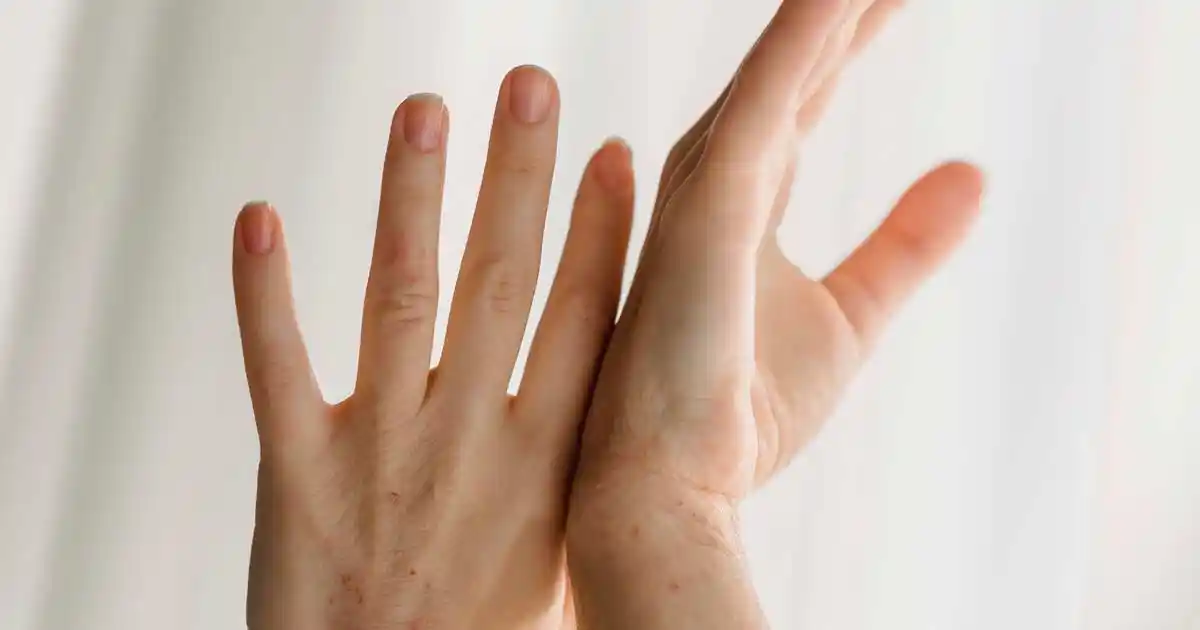
Eczema can change its course on any given day, especially atopic dermatitis. Even with an calm skin tone for days, your skin may abruptly be dry, itchy, and inflamed. Although there is no definitive treatment, obtaining the proper preventive measures makes it possible to lessen the frequency and severity of symptom flares. The key is to learn how to prevent eczema from flaring up, which requires a transition of stages- not focusing on just treating the symptoms anymore, but now approaching it by protecting your skin barrier.
These are seven dermatologist-approved tricks to manage your eczema.
1. Eczema Triggers Can Be Identified and Avoided
Triggers can vary from person to person with eczema One of the most effective ways to prevent your flare-ups is by learning what causes them.
Common eczema triggers include:
- Fragranced skincare products
- Harsh soaps and detergents
- Stress and anxiety
- Wool or rough fabrics
- Pet dander
- Dust mites
- Sudden weather or temperature changes
One way is to keep a diary where you write down your daily routines, skincare products that you are applying, as well as your dietary routine, along with the symptoms.
2. Follow the Soak and Smear Method
The “soak and smear” method that dermatologists often tout to seal in moisture.
When bathing or showering, make sure you do so in warm (not hot) water. Tap your skin until it is nearly dry but not totally dry. The best skin doctor in delhi recommend applying any topical medication first, if available, then applying a thick moisturizer within three minutes.
Such a simple routine that locks in moisture to the surface of your skin and reinforces its natural defenses.
3. Pick a moisturizer that repairs the skin barrier
Like the best moisturizers (they do not all perform equally). Thicker creams and ointments sit on the surface of the skin, thus providing more protection than thinner lotions.
Search for products that include ingredients like:
- Ceramides
- Fatty acids
- Glycerin
- Petrolatum
These ingredients repair the lost skin barrier from damaging external factors whilst helping to lock in that moisture and protect it by forming a protective layer around the skin.
Even when your eczema is under control, make sure to moisturize throughout the day.
4. Use Gentle, Fragrance-Free Cleansers
Normal soaps strip away the natural oil from the skin, which causes aggravated eczema.
Use fragrance-free and dye-free cleansers that are made for sensitive skin instead. Don’t use hypoallergenic laundry detergents, and try not to use fabric softener or heavily scented products that don’t mix well with your skin.
A few small changes can help you decrease irritation dramatically over time.
5. Maintain Healthy Indoor Humidity
Likewise, dry indoor air divests your skin of moisture, increasing the risk of eczema flare-ups
A cool-mist humidifier can also help keep indoor humidity levels between 40% and 50%, which is best for most people, especially in the winter months or when running air conditioning for more than a few hours at a time. Helps support skin balance and prevents loss of moisture.
Be sure to properly sanitize your humidifier- it can be a breeding ground for mold and bacteria.
6. Wear Soft, Breathable Clothing
Believe it or not, the clothes you put on your skin actually play a role more than you know.
Wear loose-fitting, freshly washed cotton or bamboo-based clothes. Choose softer fabrics, such as cotton, for a layer underneath to prevent itching and irritation, and avoid wool or close synthetic fabrics, which cling to both heat and sweat.
Such finishing chemicals can irritate sensitive skin, so wash new clothes before wearing them.
7. Manage Stress to Reduce Flare-Ups
Stress does not cause eczema, but it can certainly be the tipping point for symptoms. Emotional strain can elevate inflammation and trigger further flares.
So, here are some simple practices that you can start to do multiple times daily, which could help:
- Deep breathing exercises
- Meditation
- Gentle yoga
- Regular physical activity
- Getting enough sleep
If you want to know how to prevent eczema from flaring up, mental health is a key component of managing eczema, too.
When Should You Go to the Dermatologist?
Eczema is in most cases treated at home; however, it may additionally require medical care if:
Your symptoms continue to worsen.
Itching is keeping you awake at night.
Soft, dull, or oozing skin
Exam: purulent, yellow crusting on excoriation of skin, fever.
Nothing ever helps anymore, even using OTC stuff.
The best dermatologists in delhi may even offer prescription products, higher-level procedures, or a specialized regimen depending on how severe your condition is.
Frequently Asked Questions
Q: How Can an Eczema Flare-Up Be Quickly Calmed?
A: Place a cool, wet compress on the area for 10-15 minutes to relieve scratching and inflammation. Next, apply your topical treatment or a thicker moisturizer. Don’t scratch, because it may damage your skin and then increase the infection risk.
Q: Can certain foods trigger eczema?
A: People with food allergies may find that some foods make their eczema worse. But food triggers are unique to the individual. Consult your health care provider before removing any entire food groups from your diet.
Q: Why is eczema worse at night in general?
A: At night, cortisol levels reduce while skin temperature increases, meaning that overnight allergen location reveals a lot about the possible itching or nuisance cause. A bedtime moisturizer routine can provide you with a favorable sleeping environment and can grant you restful sleep.
Q: Does drinking more water help with eczema?
A: Staying well-hydrated helps overall health, though it is not a cure for eczema. Since eczema is mainly the result of an impaired skin barrier, moisturizing and applying the treatment prescribed by a physician should continue to be part of any regimen for long-term management or prevention of rash.