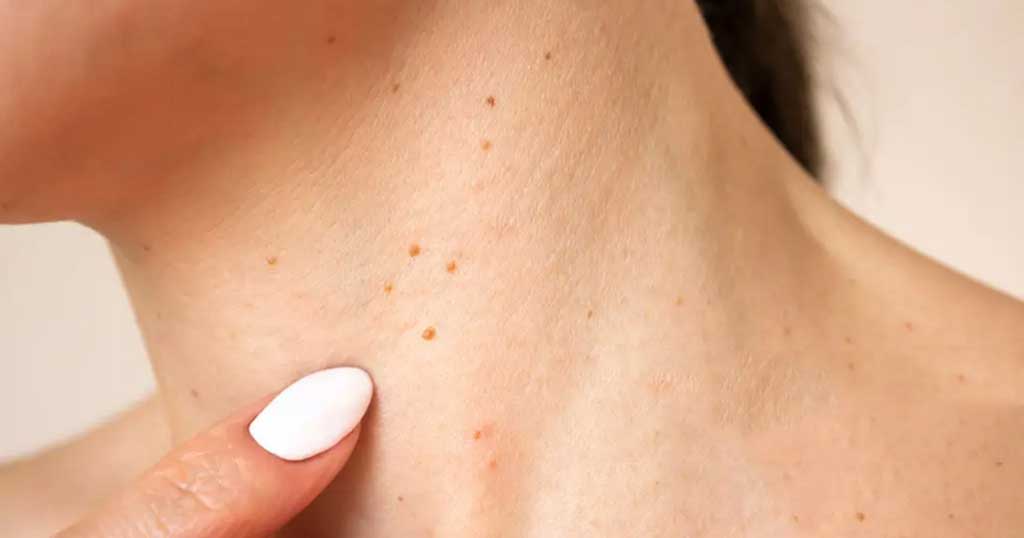
One of the most prevalent issues seen in dermatology clinics today is warts removal treatment. Warts can appear small, but if you do not take care of them, they might cause pain and embarrassment, as well as risk their spread. Patients can learn how a skin growing on their body is actually a wart and how to remove it safely and effectively.
Let’s simplify it down a bit.
What are Warts?
Warts are small bumps on the skin that feel rough. In most cases, they are not harmful. But they’re contagious.
They are caused by a viral infection. The culprit is human papillomavirus (HPV). If the virus infects the skin, it may cause an HPV skin infection that leads to warts.
The virus enters through:
- Tiny cuts
- Scratches
- Weak or damaged skin
- Direct contact with infected skin
Not all people who are exposed to HPV will develop a wart. The role of immunity is significant.
Types of Skin Warts
Types of skin warts have been linked to the virus. Each offers a distinct vibe and setting.
Common Warts
These usually appear on:
- Fingers
- Hands
- Around nails
They appear jagged, raised and textured.
Plantar Warts
These are on the bottoms of the feet. This can cause pain when walking. Since they grow inward due to the pressure, they can give a pebble-like sensation underfoot.
Flat Warts
These are:
- Smaller
- Smooth
- Slightly raised
They tend to show up on the face, arms, or legs.
Filiform Warts
These are thin and finger-like. They usually occur on or near the mouth, the nose, and/or within the beard area.
With this said, it’s important to know the difference between common vs. plantar warts. Common warts grow outward. Plantar warts develop inward and tend to be painful.
What Causes Warts?
There are many reasons for causing wart; however, the primary among them is HPV skin infection. But there are risk factors.
Causes and Risk Factors for Warts Key
Wart causes and prevention are quite related. Here are common triggers:
Walking barefoot in public showers
- Nail biting
- Sharing personal items
- Weak immune system
- Skin injuries
How to Prevent Warts?
Simple habits can reduce risk:
- Avoid direct contact with warts
- Do not share towels or razors
- Keep feet dry in public areas
- Cover cuts and wounds
- Do not pick at existing warts
It is much easier to prevent than to re-treat.
When to See a Dermatologist?
Most people attempt home remedies first. Some work. Many don’t.
You can refer to a skin expert if:
- The wart is painful
- It spreads quickly
- It bleeds
- It changes color
- It will not get better after weeks of treatment
For correct wart removal and treatment check with the best dermatologist. Certain skin cancers can look like warts. So never self-diagnose blindly.
Wart Removal and Treatments Today
Today, treatments are both safe and effective. The decision is based on the wart type, size, and location.
Salicylic Acid for Warts
One of the oldest treatments is salicylic acid for warts.
It works by gradually sloughing off layers of infected skin. It is available in:
- Solutions
- Gels
- Patches
It requires patience. You have to put it on every day for a few weeks. For minor, painless warts, it works.
However, exercise caution when using it. Healthy skin might get irritated from excessive use.
Cryotherapy for Wart Removal
Cryotherapy for warts removal is a very common clinic procedure.
In this method:
- The wart is frozen with liquid nitrogen.
- The wart freezes.
- It later falls off.
It’s fast. It may cause slight pain or blistering. Multiple sessions may be needed.
This treatment is best for stubborn or painful warts.
Other Advanced Treatments
And at dedicated clinics such as The National Skin Center, more advanced options may include:
- Electrocautery
- Laser therapy
- Minor surgical removal
These are used to treat resistant or large warts.
A dermatologist determines the best approach after assessing.
Are Warts Dangerous?
Warts, in most cases, aren’t harmful. But some situations need attention:
- Warts on the face
- Repeated recurrence
- Warts in diabetic patients
- Rapid growth
Early wart treatment prevents complications and reduces spread.
Why Professional Treatment Matters?
Internet home treatments can burn or scar. Some acids are too strong. Some methods spread infection.
A trained dermatologist:
- Confirms diagnosis
- Chooses correct therapy
- Minimizes scarring
- Reduces recurrence
This is why professional guidance is needed.
Final Thoughts
Warts are common. However, they are not something to overlook. The potential to help: Understanding types of skin warts, exploring the differences in common vs. plantar warts, and more about wart causes and prevention.
Modern solutions like Salicylic acid for warts and cryotherapy for wart removal make it easier to treat the problem than ever before.
If you see a suspicious growth, don’t wait for a guess. Seek proper evaluation. know The process with best skin doctor for wart removal and treatment is quick and painless: Healthy, clear skin.
FAQs
Q: How do I know which wart treatment is right for me?
A: The correct one depends on the type, size, and location of the wart. Salicylic acid for warts may help small ones while cryotherapy for wart removal or advanced procedures might be needed in pain or stubborn cases.
Q: How long does salicylic acid take to work?
A: It usually takes several weeks. Daily application is required. Results take time as the drug gradually peels off layers of infected skin.
Q: Is cryotherapy painful or risky?
A: Cryotherapy does cause slight pain or blistering, yet is relatively safe. The wart freezes, and eventually falls off. Certain conditions might require several sessions.
Q: Are warts dangerous if left untreated?
A: Most warts are harmless. But rapidly growing, painful, facial, or recurrent warts require medical treatment. It is very helpful to get your warts removed and treated early so that they will not spread as much or get worse.
Q: Why should I see a dermatologist instead of using home remedies?
A: Incorrect treatment may lead to burns, scarring or the spread of infection. The diagnosis is confirmed by a dermatologist who will chose the safest technique and ensure that the risk of recurrence is minimized.
Medically Reviewed By
Dr. Navin Taneja, Best Skin Doctor & Dermatologist in Delhi
The National Skin Centre – South Delhi