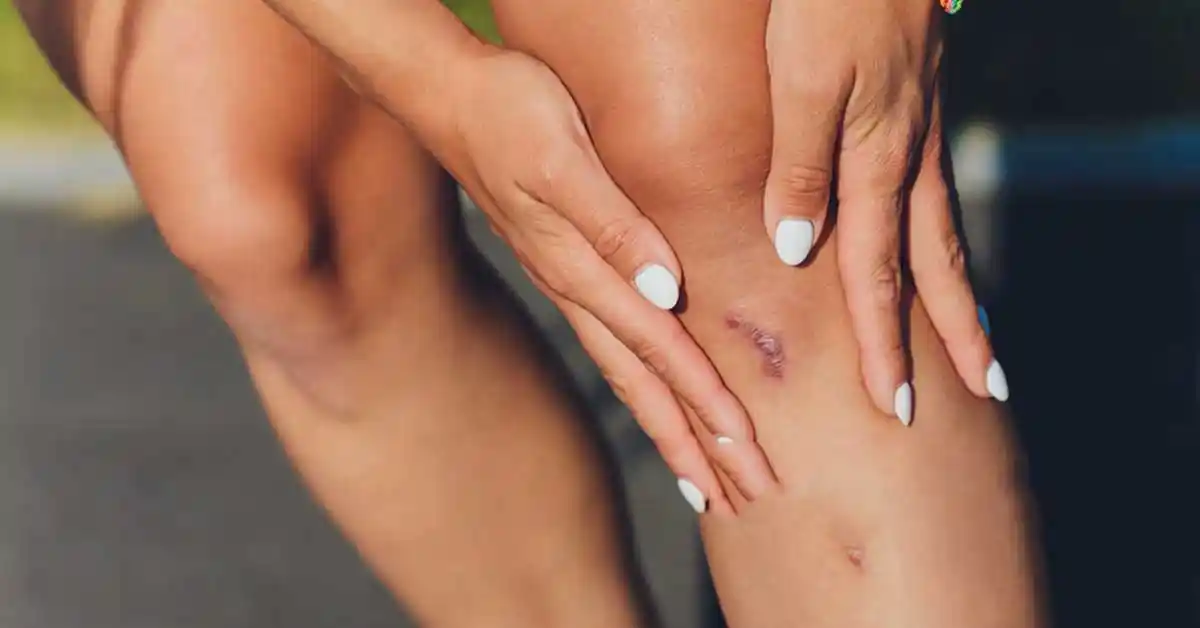
The sooner you know how to treat a new keloid scar, and the more diligent you are about your care routine, the better. Avoiding therapies that can exacerbate your skin rash is another benefit of being aware of how to handle a fresh keloid scar.
A keloid is an elevated scar that continues to grow beyond the edges of the wounded area. It arises when the body makes too much collagen while healing. Keloids can form following surgery, piercings, acne, burns, or other minor skin trauma.
Early care is essential. Dermatologists specializing in keloids advise that early treatment can help prevent excessive scar growth. Early treatment methods for keloid scars have shown promising results, and initiating treatment promptly may help prevent the scar from enlarging further in the future
Table of Contents
ToggleUnderstanding Newly FormedKeloid Scar Development
A keloid often begins as a hard, elevated blemish. It may be pink, red, purple, or darker than the surrounding skin. Some will have itching, tenderness, or a feeling of tightness.
Keloids also do not tend to disappear on their own. Often, they are reported to grow in size through the years! That is why early monitoring and treatment are very important.
Newly Formed Keloid Scar Management
Promoting ideal scar maturation while avoiding excessive fibrosis is the first strategy in newly formed keloid scar management. It all comes down to consistency, not the quick fix.
Keep the area clean and unspoiled. Do not rub, scratch, or irritate the scar. Recurrent trauma can lead to repeated collagen production.
Relieve any unnecessary pressure or friction from the affected part. This should help minimize additional irritation during healing.
Silicone Gel for New Scars
Silicone gel for new scars is one of the most common, frequently recommended options. This is why dermatologists frequently recommend silicone-based products: they are well-researched in scar management.
When you apply silicone gel to the skin, it forms a protective layer. It keeps the area hydrated and can gradually soften and flatten developing scars.
Results are not immediate. To achieve a positive outcome, you typically need to work every day for several weeks or months.
Non-Invasive Scar Treatment Options
Before seeing a doctor, a lot of people look for the non-invasive scar treatment. First-line agents are silicone gels and silicone sheets.
Another all-important step is sun protection. If scars are exposed to ultraviolet light, they can become darker and more prominent. Dab sunscreen on scars once the skin has healed − it helps make the scar look better over time.
Therefore, the main goals of these techniques are to reducing keloid scar growth and to slow the growth of keloid scars.
Reducing Keloid Scar Growth Safely
Most importantly, early intervention and realistic expectations are key to successful treatment. There is no home remedy that ensures full keloid removal.
Steer clear of the aggressive homemade cures trending on the internet. Harsh products are irritating and may actually lead to more scarring.
Monitor the scar closely. You must not miss changes in size, color, texture, or symptoms.
When to Consult a Dermatologist for Scars
Knowing when to see a dermatologist for scars is an essential element of secure scar care. Severe itching in particular could indicate a complication, so getting it checked out by qualified personnel is recommended if a scar is itchy or painful over time and continues to grow.
A dermatologist will be able to verify if the lesion is a keloid or not. They can also talk about mediating treatment plans specific to your dermatologic and medical records.
Corticosteroid injections, pressure therapy, laser treatments, or other advanced procedures may be professional treatments. They usually work best when they are given early.
Conclusion
You will need to be patient and consistent in your approach when it comes to treating a new formed keloid. Thus, early care encompassing silicone gel use for new scars provided an additional suppressive effect, and other non-invasive scar treatment modalities may support healthy wound healing and address the abnormal collagen synthesis phenomenon, acting at various levels of keloid formation.
Above all, if the scar changes or gets bigger, don’t rely solely on home remedies. If you are unsure of your symptoms, go to a dermatologist for expert advice and individualized care.
FAQs
Q: Can a new keloid scar be stopped from growing?
A: If you go for early treatment of keloids, it might slow or prevent growth. Silicone gel, wound care, and early consultation with a healthcare professional usually deliver the most optimal results.
Q: What is the duration required for the formation of a keloid scar?
A: After an injury, it may take weeks to months for keloids to form. Sometimes they may continue to grow for even years.
Q: Does silicone gel actually work for new keloid scars?
A: Yes. Many dermatologists recommend silicone gel as it allegedly helps soften, flatten, and improve the appearance of an area with a remodeling scar.
Q: What things should I avoid with a keloid?
A: Do not pick, scratch, or apply strong home remedies directly on the scar. The inflammation can intensify keloid growth and even skin irritation.
Q: When should I see a dermatologist for a new keloid scar?
A: If the scar continues to grow, hurts, itches a lot, or makes your life tough and unsatisfactory, you should definitely contact a skin doctor.
About the Author
Dr. Navin Taneja (Dermatologist)
Dr. Navin Taneja is a senior dermatologist with 36+ years of experience in diagnosing and treating skin, hair, and nail disorders. Based in South Extension Part-I, New Delhi, he specializes in the management of keloids, scars, acne, and cosmetic dermatology.
South Extension Part-I, New Delhi
+91 9811300536 | +91 9811300550 | +91 9811300539
navintanejamd@gmail.com