Melasma and pigmentation are two of the hardest skin problems to treat. The laser treatment for melasma has become a mighty weapon of choice for combating melasma or pigmentation when other treatments don’t work. But not all lasers are created equal, and an inappropriate one can worsen pigmentation rather than improve it.
Dr. Navin Taneja emphasis on the fact that successful melasma laser treatment in delhi is judged in terms of stairs to the patient and laser selection. How that decision is made: Here’s what goes into it.
Table of Contents
ToggleUnderstanding the Challenge of Melasma and Pigmentation
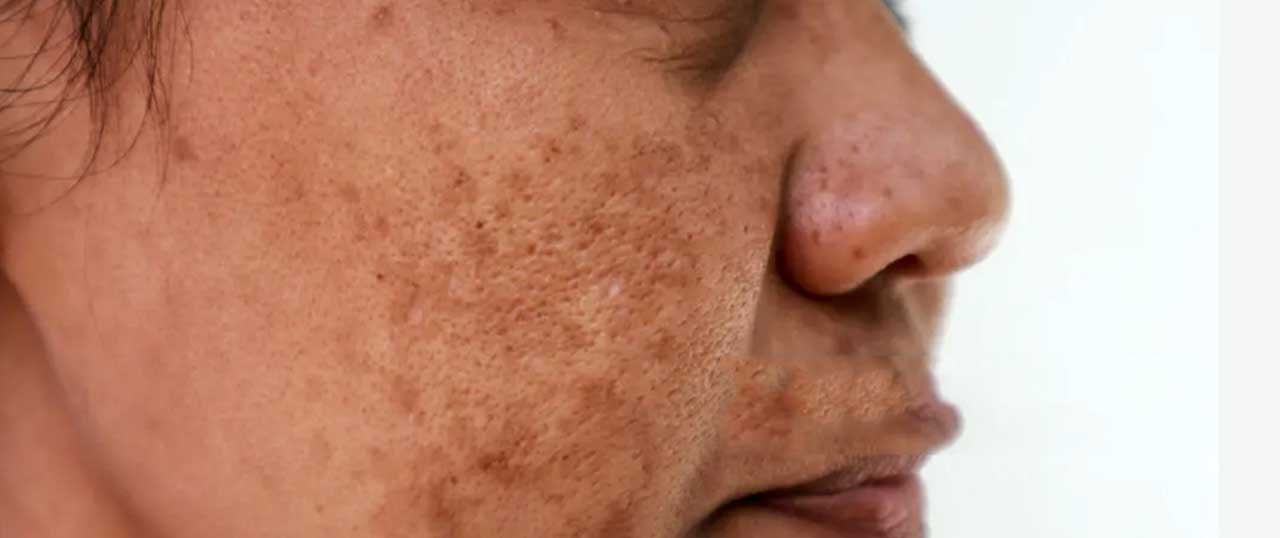
Melasma manifests as brown, or gray-brown, patches on the face. Hormones, exposure to sunlight, and genetics play a role in it. Alopecia is a notoriously persistent condition that commonly relapses.
Pigmentation laser treatment is a technique that works by targeting excess melanin in the skin. However, melasma is a little different − another word for tricky; hit it too hard with treatment and you can spark even more pigmentation, and that’s especially the case where darker skin types are concerned.
What to Expect from a Dermatology Assessment for Your Skin Prior to pigmentation & melasma Treatment
Dermatologists can only suggest pigmentation laser treatment after examining the following factors:
- Skin type matters most.Melanin content is then classified according to the Fitzpatrick scale (Types I–VI). The heavyweight that is post-inflammatory hyperpigmentation in darker skin types (IV-VI) is also known, thus much more gentler approaches are needed!
- Melasma depth is crucial.A Wood’s lamp can determine whether the pigmentation present is epidermal, dermal, or mixed. Lasers do better for superficial melasma.
- Patient history counts.The choice of laser is influenced by prior treatments, sun exposure habits, hormonal factors, and lifestyle.
Lasers That Are Used for Melasma & Pigmentation Treatment
Q-Switched Lasers
The Nd:YAG laser without the use of Q-switching is also commonly used to treat melasma. The quality of your initial outcome of Q-switched Nd:YAG laser for melasma will allow you to have the same fundamental idea as early as possible as it offers shorter high-energy bursts that burst melanin and then just dissipate heat.
Benefits include:
- Minimal downtime
- Suitable for darker skin types
- Precise targeting of pigmentation
- Lower risk of side effects
It is effective for laser toning for melasma, utilizing low-fluence settings to progressively target pigmentation over several sessions.
Picosecond Lasers
Although newer technology, the picosecond laser for melasma or pigmentation. It emits ultrashort impulses that are measured in picoseconds (trillionths of a second).
Advantages include:
- Faster treatment times
- Lower thermal injury of adjacent tissue
- Effective for stubborn pigmentation
- In some cases, reducing the number of sessions required
Fractional Lasers
Fractional CO2 and fractional erbium lasers form microscopic treatment zones. They have a dual benefit of helping stimulate collagen while addressing blotchiness. They are more effective for stubborn cases, but demand a heavier down time.
What is the Best Laser for Melasma and Pigmentation: It all Depends
Melasma is one of the most complex problems encountered in daily dermatologic practice − and there is no single best laser for melasma and Pigmentation treatment in delhi. There is no right choice but the choice that is right for you.
Dermatologists who treat lighter skin (I-III) have a bit more leeway. This can usually be treated with a fractional laser or a higher-energy Q-switched treatment.
A safe melasma treatment for dark skin needs to be carried out cautiously in type (IV-VI). Low-fluence Q-switched Nd:YAG and some picosecond techniques reduce risks.
How Dermatologists Decide on Lasers for Melasma and pigmentation: A Decision Analysis
When it comes to deciding how experienced dermatologists choose laser for melasma and Pigmentation, dermatologists make a systematic choice:
- Step 1:Full consultation with skin microscopic, medical history, and realistic expectation.
- Step 2:Patch test on a small area to allow you to know how your skin will react.
- Step 3:Which laser type you will use, power, and duration of each session, and being careful with treatment intervals.
- Step 4:A combination method is usually the most effective. It complements topical medicines, chemical peels, and sun avoidance.
What to Expect During Pigmentation & Melasma Treatment
Laser sessions average 15 − 30 minutes. Light pain will occur, reminiscent of rubber band popping on the skin. Topical numbing cream minimizes this.
Shortly thereafter, you can expect temporary redness and darkening of any spots treated. This evaporates within days, or weeks at most.
The best results come with multiple sessions spread 3-4 weeks apart.
Conclusion
Laser treatment melasma, pigmentation is a tough one to crack but laser treatment lays an optimum glimmer of hope on such stubborn pigmented spots. Success depends on how well the melasma, pigmentation laser treatments are chosen and performed, with special attention to detail.
Combining advanced laser technology and customized treatment protocols, Dr Navin Taneja Best dermatologis in delhi with his team at The National Skin Centre. It’s not only about lighter skin − it’s about lasting results with the least possible risk.
If you are battling with melasma or pigmentation, stay in touch with a dermatologist who knows every subtlety about selecting a laser to complement your skin.
FAQs
Q: Is laser treatment safe for melasma on dark skin?
A: Indeed, but it needs some specific techniques to do. The use of low-fluence Q-switched Nd:YAG laser (LFQY) for melasma or certain picosecond protocols are safe melasma treatments for dark skin. The important part is the selection of a dermatologist with experience in treating darker skin types (Fitzpatrick IV-VI), since this can help to prevent post-inflammatory hyperpigmentation from occurring.
Q: How many sessions of laser treatment are needed for melasma?
A: The ideal treatment course for most patients is 4-8 sessions. The number of treatments varies depending on melasma severity and depth, as well as on skin type. There is usually a 3-4-week gap between every session. Laser toning for melasma typically requires more frequent sessions at the beginning, then regular maintenance sessions.
Q: What is the best laser for treating melasma?
A: There’s no one-size-fits-all answer. The best laser for melasma is different for every person. Q-switched Nd:YAG is very good for darker skin and picosecond laser for melasma is also good for resistant melanosis. Depending on your skin and how well it responds to treatment, your dermatologist will choose among:
Q: Can melasma come back after laser treatment?
A: It is a chronic condition that is environmentally and genetically induced by sun exposure and hormones. You will have to continue with high sunblock, maintenance treatments, topical skin care, and lifestyle changes suggested by your dermatologist to keep the results.
Q: What’s the difference between laser treatment for pigmentation and melasma treatment?
A: Both conditions target excess melanin, but melasma needs a more conservative approach. Laser treatments for pigmentation, such as sunspot are using higher energies. Because melasma is more deeply situated and more prone to recurrences after aggressive treatment, particularly in darker skin types, melasma laser treatment should be performed with more gentle settings.