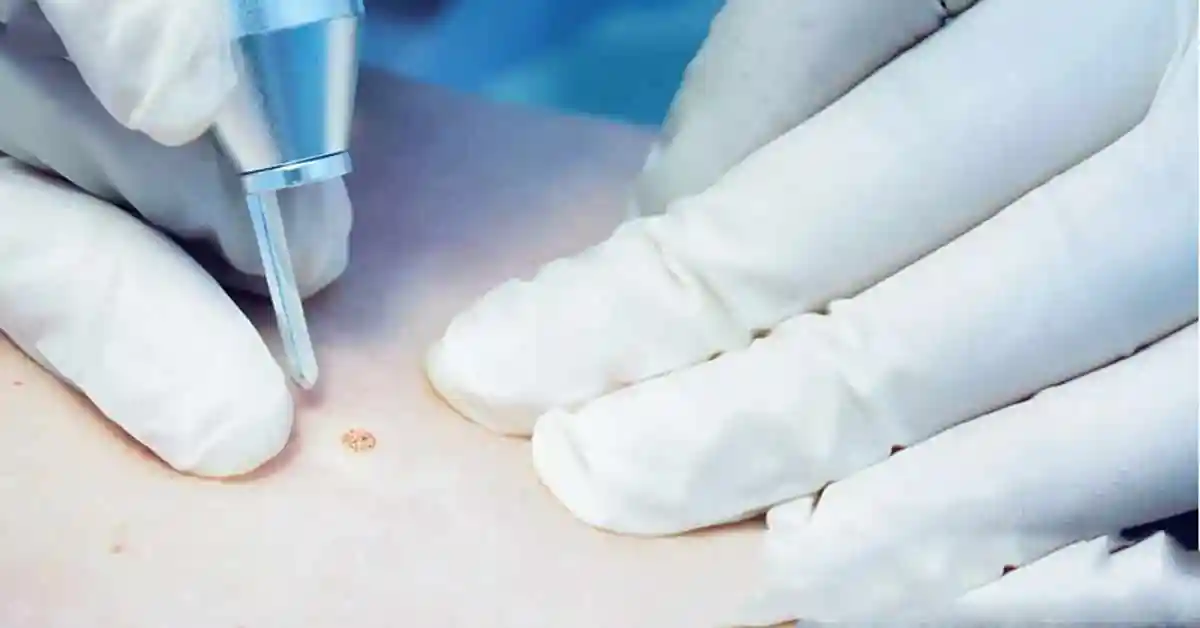
Human papillomavirus or HPV induces benign tumors in skin (aka, wart tissue). They are usually harmless, but they can be painful, spread to other areas, or return after treatment. So, if you are wondering what is the best professional wart removal treatment is? The answer varies widely based on the treatment size, location, thickness, and history of response to other treatments.
Common procedures include cryotherapy, electrocautery, and laser. So, which one do you choose? Let’s compare them.
Cryotherapy − The Commonest Method of Freezing Warts
This method uses liquid nitrogen (freezing temperature) to get rid of warts − also known as Cryotherapy. It destroys the wart, resulting in a blister or crust that eventually heals. It is usually used for several types of warts, such as common warts and plantar warts.
Before you go for this approach, if you are unsure whether cryotherapy suits you or not, then it is better to consult the best dermatologist for wart treatment in Delhi who can explain your condition and tell the benefits, as well as side effects of this treatment. Cryotherapy can sting and may cause blistering, temporary skin-color changes, or, rarely, scarring. This may take several sessions, typically with a few weeks between each.
Cryotherapy is one of the practical in-office wart removal options available to your doctor, and for many patients.
Electrocautery − Using Heat to Destroy the Wart
Electrocautery delivers an electrical current to create heat that destroys wart tissue. A dermatologist may scrape off the visible growth and then burn the base. The procedure is usually performed under local anesthesia to keep the patient comfortable.
These treatments may also be used for large, annoying, or treatment-resistant wart tissues. The chief downside is the potential for scarring. This is especially relevant when applying it to pressure areas such as the foot.
Before you proceed with any wart-removal procedure, ask an experienced dermatologist whether that option has less scarring if scars concern you.
Laser Treatment for Stubborn Warts
Laser therapy involves targeting wart tissue or its blood supply with focused light energy, destroying the cells. It is usually reserved for cases where warts have not responded to standard treatments.
Laser treatment for an individual is selected for difficult cases, e.g., some deeper or persistent plantar warts. But it is not a one-size-fits-all for all patients. At times, it can cause bruising, swelling, pigmentation changes, or scarring, and often requires more than one treatment session.
Which Treatment is Right for You?
No one procedure works best for every wart. Which will be the wart removal treatment
option will be most suitable for you depends on the kind of wart, as well as its location, depth, and your tendency to scar − a dermatologist can help steer you in the right direction. Your dermatologist may consider:
- The size and depth of the wart
- Its location on the body
- Whether previous treatments failed
- Your skin type in relation to the risk of scarring
- Your tolerance for discomfort
If you want a less painful treatment, ask which wart-removal method is least painful for your specific wart. Each treatment area and method used entails a different experience.
The best treatment for deep plantar warts depends on their thickness, location, and response to previous treatment. A dermatologist may consider different approaches when a wart is deep or resistant.
What About Cost and Scarring?
When treating wart tissues, the cost of one session alone is meaningless; you need a plan for total treatment. Cryotherapy takes a series of appointments and most laser services are priced at different locations.
Scarring certainly is another thing to factor in. Both cryotherapy and laser treatment can lead to pigment changes or scarring in some patients, whereas electrocautery leaves scars that may be permanent.
If you have warts that won’t go away, the best wart treatment in Delhi can assess whether you even need a procedure.
Don’t Ignore a Persistent Wart
Sometimes, a growth that looks like a wart can actually be another type of skin lesion. If it bleeds, changes, hurts, spreads quickly, or doesn’t respond to home care, see a dermatologist.
Visiting the best dermatologist in Delhi can further confirm and ensure that treatment is not conducted unnecessarily. Patients should discuss local treatment with a dermatologist, as this is decided on an individual basis, particularly if prior treatments have failed.
In a similar manner, your skin specialist knows whether to recommend cryotherapy, electrocautery, laser treatment, or another alternative.
Bottom Line
Cryotherapy remains a first-line treatment, while electrocautery and laser therapy can be used for some persistent or recalcitrant warts. The most advanced technique is not always the best method when it comes to wart removal; instead, it will be the type of wart, location, as well as depth that determines what will be the most effective way to remove a particular wart.
When it comes to a wart that’s causing you distress though, the best wart removal treatment isn’t necessarily the latest or most expensive one. Depending on the wart type and your skin needs, the dermatologist will select the best option.
If you visit the best skin specialist doctor in Delhi after other treatments have failed, they will be able to decide whether a different kind of treatment is better suited for your kind of problem.
FAQs About Wart Removal Treatments
Q: Laser versus Cryotherapy versus Electrocautery for Warts: Which is Better?
A: Well, in dermatology, this is not always the straightforward answer one might think. Cryotherapy represents the first line of treatment, with laser or electrocautery reserved for larger, deeper, or refractory warts.
Q: Is cryotherapy or laser better for stubborn warts?
A: Laser therapy might be helpful in resistant warts. But it is imperative that the dermatologist evaluate the wart before proceeding with laser therapy.
Q: Is there a way to remove warts that won’t hurt?
A: The pain depends on the location and size of the wart and treatment method. Some of these procedures can utilize local anesthesia to aid in discomfort during the procedure.
Q: How to treat a wart that can leave some scarring?
A: Your dermatologist will examine your wart and make some recommendations based on your skin type, as well as the specific type of wart tissue.
Q: Warts can come and go; will they always return?
A: Yes, in some cases. Although you may be treated for a wart, persistent warts can come back in some cases, as treatments only remove the visible lesion and may not clear HPV from the surrounding skin. If it recurs, you will often need follow-up care.