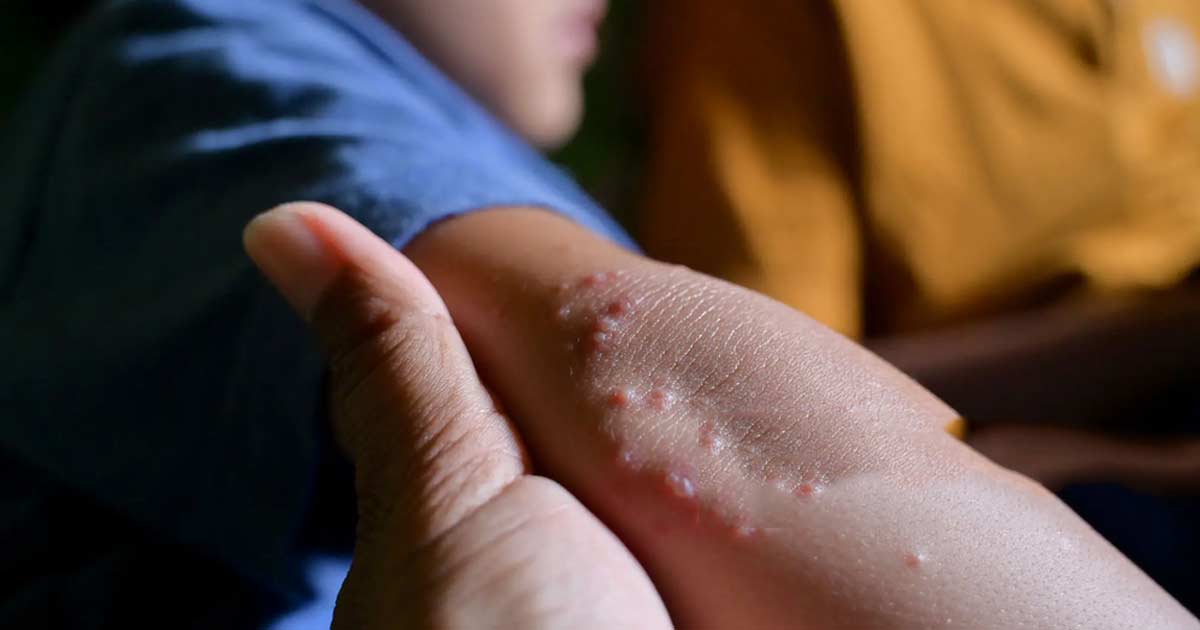
Viral warts are small, rough skin growths caused by human papillomavirus (HPV). They most often occur in children and adults. Typically, benign, they may also be spread to other parts of the body or to other persons by touch. Getting acquainted with different types of warts, as well as knowing how to prevent, control, and reduce the risk of infection and reinfection can significantly contribute towards shrinking the threat of warts.
What Are Viral Warts?
How do viral warts develop? According to some of the best skin doctors in Delhi, HPV enters when you have micro-cuts and abrasions on that part of your skin. The virus prompts the outer layer of skin to reproduce at an abnormal rate causing a raised bump to form. They can develop in the hands, feet, face, or other parts of the body.
Those with a less active immune system or repeat trauma to an area of skin are more prone to warts. Walking barefoot in public, sharing items with others, and biting your nails are also risk factors for warts.
Different Types of Viral Warts
Viral warts come in different types and will appear differently on the body.
Common Warts
As a general rule, common warts (also called verruca vulgaris) tend to develop on the fingers and hands or elbows and knees. They are bumpy, grainy, and may be speckled with little black dots, which is clotted blood vessels. These are the most commonly seen types of warts.
Plantar Warts
On the soles of the feet, plantar warts develop. As body weight is sustained by areas on which they grow, this results in growing inward rather than outward. These warts can be painful when standing or walking, as if stepping on a small stone.
Flat Warts
Flat warts, in contrast to other kinds of warts, are small (around 1/4 inch) and smooth. They occur mostly in multiples on the face, neck, hands, or legs. As a result, the virus is able to enter via small cuts that are more common in children and adolescents, so these warts commonly develop in this age group.
What Causes Viral Warts?
A very common question is what causes viral warts. According to the best dermatologists in Delhi, viral warts are mainly caused by infection with some strains of HPV. It is transmitted via direct skin-to-skin contact or by touching contaminated objects and surfaces.
Common risk factors include:
- Going barefoot in public areas like the shower or swimming pool
- Sharing any towel, razor, or nail tools
- Picking or scratching existing warts
- Having cuts, dry skin, or compromised immunity
Keep in mind that HPV does not cause warts in everyone. Whether the virus produces skin growths, called warts, or not is largely a function of the body’s immune response.
How to Prevent Warts?
Understanding how to prevent warts can decrease the risk of getting warts and also of passing the infection on to someone else.
Simple preventive measures include:
- Wash your hands regularly.
- Keep your skin clean, as well as dry.
- Avoid sharing personal items.
- Flip-flops by public locker rooms and pools.
- Avoid picking, cutting, or scratching existing warts.
- If warts are present, cover them with a bandage and avoid touching.
The best method to minimize the appearance of new infections remains skin care and personal hygiene.
When Should You Go to a Dermatologist?
See a doctor if a wart bleeds, changes color, grows rapidly, hurts, or does not go away after treatment. Since these skin growths are quite similar in appearance to other skin conditions, early diagnosis will also help rule out their causes.
Conclusion
A widespread infectious disease that can affect humans of all ages, HPV is a form of the human papillomavirus that produces warts and lesions in mammals. Understanding the primary types of warts helps ensure you recognize them early, when they’re easier to treat. Halting warts from impurity requires not only cleanliness but is aptly handled with early viral wart treatment plus use of a potent anti-wart cream that evacuates the virus. Warts can be treated with home remedies, but for intolerable or more serious cases you should see your doctor.
FAQs
Q: Are viral warts contagious?
A: Yes. This contagious skin infection is unknown to many as it passes from body-to-body contact, either directly or indirectly via razors, towels, and gym equipment.
Q: What distinguishes plantar warts from common warts?
A: Common warts are typically seen on hands and fingers, whereas plantar warts develop on the bottom of the foot and hurt.
Q: Do home remedies for warts really get rid of them forever?
A: Home remedies to remove warts may work with the small ones, but it does not eliminate virus. If warts do not go away or are painful, consult a dermatologist.
Q: Which is the best viral wart treatment?
A: The viral wart treatment that works will depend on the type, size, & site of the warts. Dermatologists advise salicylic acid, cryotherapy, laser therapy, or surgical removal as necessary.
Q: How do I avoid viral warts from recurring?
A: You can prevent virus recurrence by not touching or coming into contact with existing warts, not sharing personal items that come into contact with skin.