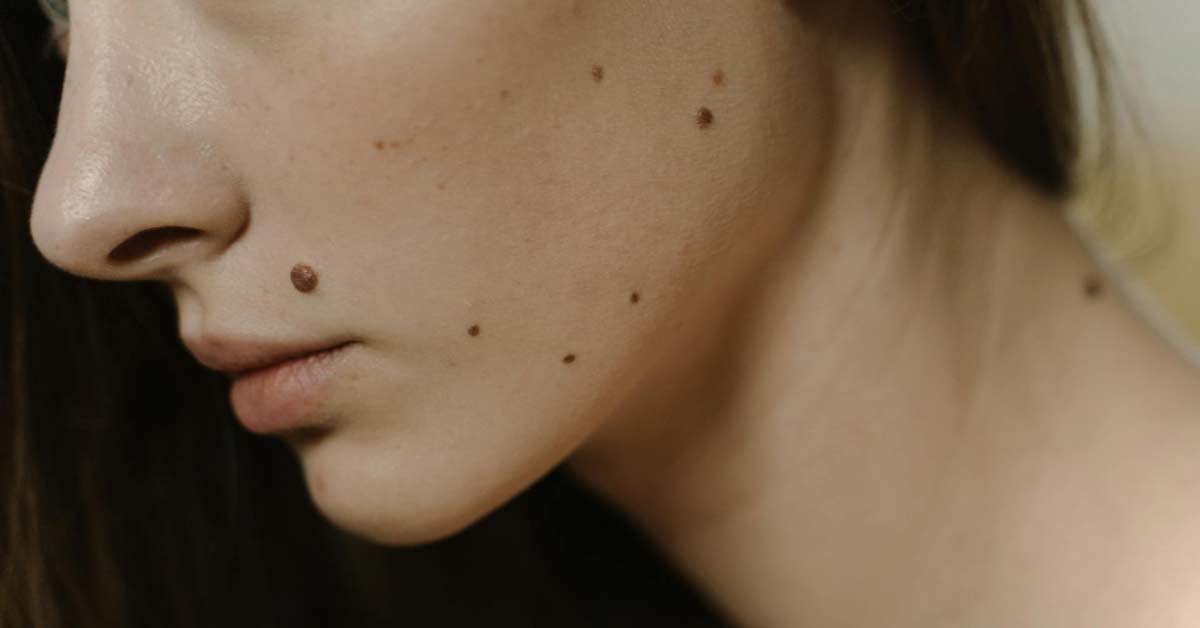
Our skin is the largest organ, which shields the internal organs from any physical harm. Skin moles, also known as nevi, are mostly skin lesions. It differs from the natural shade and can vary from black to brown depending on the hair color and type of skin. They can be found on the skin or the mucous membrane. Moles usually appear alone, or in groups.
Moles are formed by the compounded melanocytes, which are black or brown outlooked cells found in the epidermis layer of the skin. It may be round, oval, or irregular and may be of varying size and color. Most moles are benign, but they can be potential precursors to skin cancer. Moles can appear at any time of life; however, they are most common during childhood and the teenage stage.
The greatest number of skin moles are acquired at birth and during the first two decades of life. In most cases, a person has between 10 and 40 moles by the time they grow up. The lifespan of moles is estimated to be roughly 50 years. They evolve over time, grow up, or become lighter in color. Speaking of moles, it is also possible to have hair grow from them. Some do not fade at all, and some take a long time to fade away.
How do Moles Grow?
Moles can be localized at any part of the body. It tends to affect the arms, legs, back, face, neck, chest, and sometimes the scalp. Less frequented sites include the soles of feet, palms, and the place between the toes and fingers. But can you know how moles grow?
Moles, or nevi, begin in childhood and early adulthood. They look like they are on the skin because there is a grouping of melanocytes. Now, what are melanocytes? These are the cells that are in the process of producing melanin, a chemical that is used in the production of skin color. Some research shows that certain changes in the BRAF gene are said to be accountable for the development of moles. Like freckles; moles are also a common occurrence among fair-skinned people.
Why do So Many Moles Grow on The Body?
There are several reasons behind the growth of moles on the body. Some of the reasons are the following;
Genetic Predisposition
Where the mole will grow is also determined by genetics, which includes the number of moles a person is going to have. Atypical mole or dysplastic mole is often heritable. These moles characteristics also play an important part in raising the likelihood of developing skin cancer. Cancerous moles may also be exhibited by atypical moles. They range in color from tan to brown, and they can also be pink in some cases. The size of these moles is approximately 6 mm in diameter. It can be smooth, slightly scaly, or feel rougher than a normal mole.
Hormonal Changes
Depending on the hormones present in a person’s body, one can have moles on his/her skin. Pigment is created anew at those times when hormonal changes occur during menopause, pregnancy, or adolescence. These hormones lead to the alteration of moles by making them darker and bigger. However, the study has carried on till now in an effort to know the facts that reflect changes in moles due to hormones.
Sun exposure
The cancer society often associates high exposure to UV radiation with the development of moles. Some people believe it is, because the sun negatively impacts the DNA of skin cells. It brings about mutations that would result in melanocyte cells dividing abnormally. Thus, avoiding sun exposure would help minimize their formation and minimize the number of moles. You have to apply sunscreen every day, use some clothing to protect yourself from the UV rays, stay away from tanning beds, and also check your skin often. Moles generally not harmful but it spread on the body day by day. Know the in depth what is the treatment of moles.
Conclusion
One must also know that most of the time, moles are inherited from genes in the family, exposure to the sun on the skin, and hormonal changes. While most of them are harmless, one should monitor any changes that may occur in moles and refrain from overexposing the skin to ultraviolet radiation. A skin check or any other check on the body is a daily practice in lifestyle since it will help to have early identification of any irregularity. It is thus advisable to get to know why you have those moles and mind them to be healthy. Thenationalskincentre in the Delhi is the best center of skin care